
About us and who we are
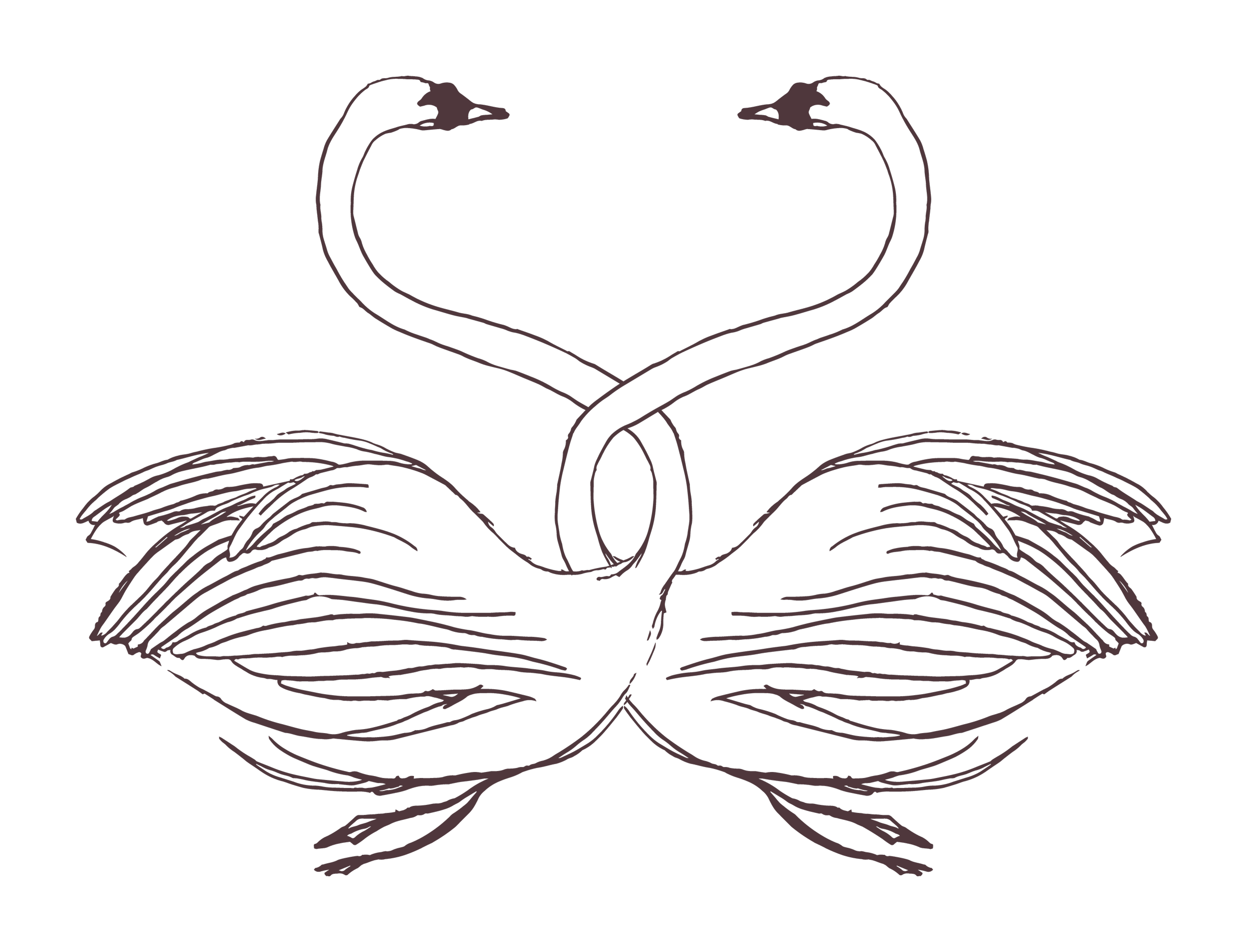
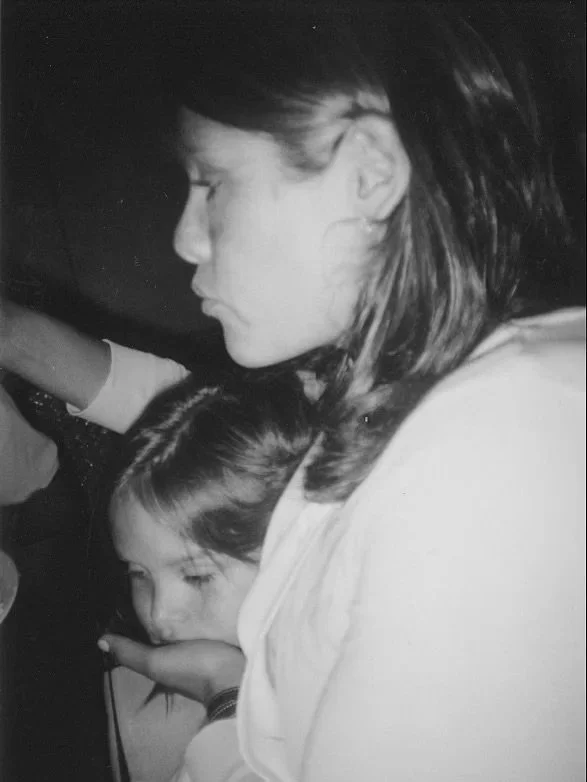
Natalia and Nina are two of three sisters. They’re wildly different in how they move through the world, yet those differences make them stronger together. Their bond reflects the Indigenous practice known as, The Three Sisters, a companion planting tradition across the Americas in which corn, beans, and squash grow by supporting the others in a living synergy of giving and receiving.
Together, they bring this same spirit of synergy into their work as herbalists. For years, they’ve dedicated themselves to helping others reconnect with the Earth and with their own innate capacity for balance. Nina, a neurodivergent nonspeaker, communes directly with plants, listens to their energy and wisdom. Natalia, trained in herbalism, bridges that intuitive knowing with grounded, practical plant guidance.
Their practice is rooted in regeneration. Their work is about restoring harmony between body, mind, and spirit. Remembering the relationships that sustain us. Honoring the land, ourselves, and one another.
We give thanks to our ancestors, the lands we live on, those who tend them, our teachers who have passed down their knowledge, and the plants for all that they do. Thank you for being here. - Natalia 









About The Plants & Peoples
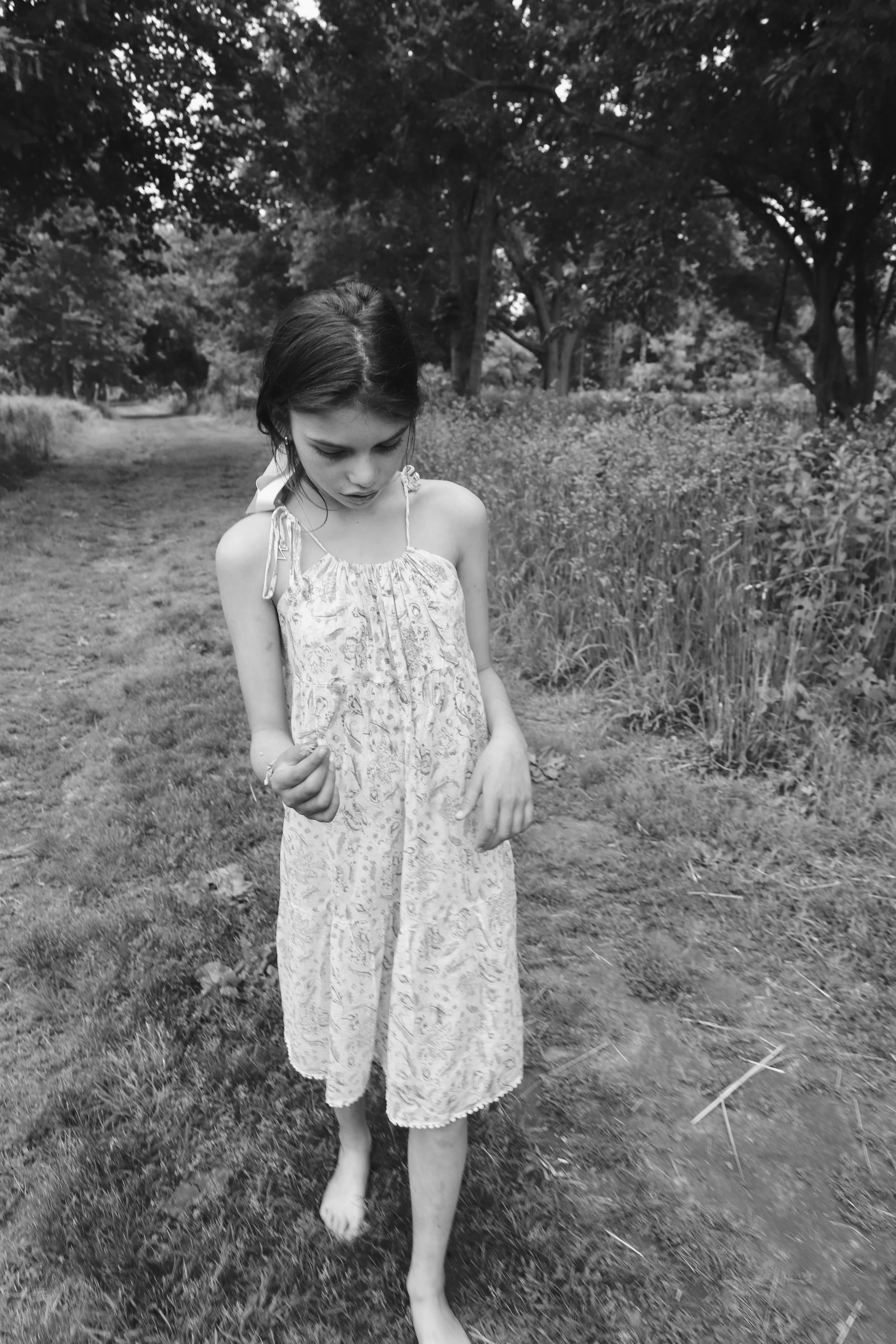
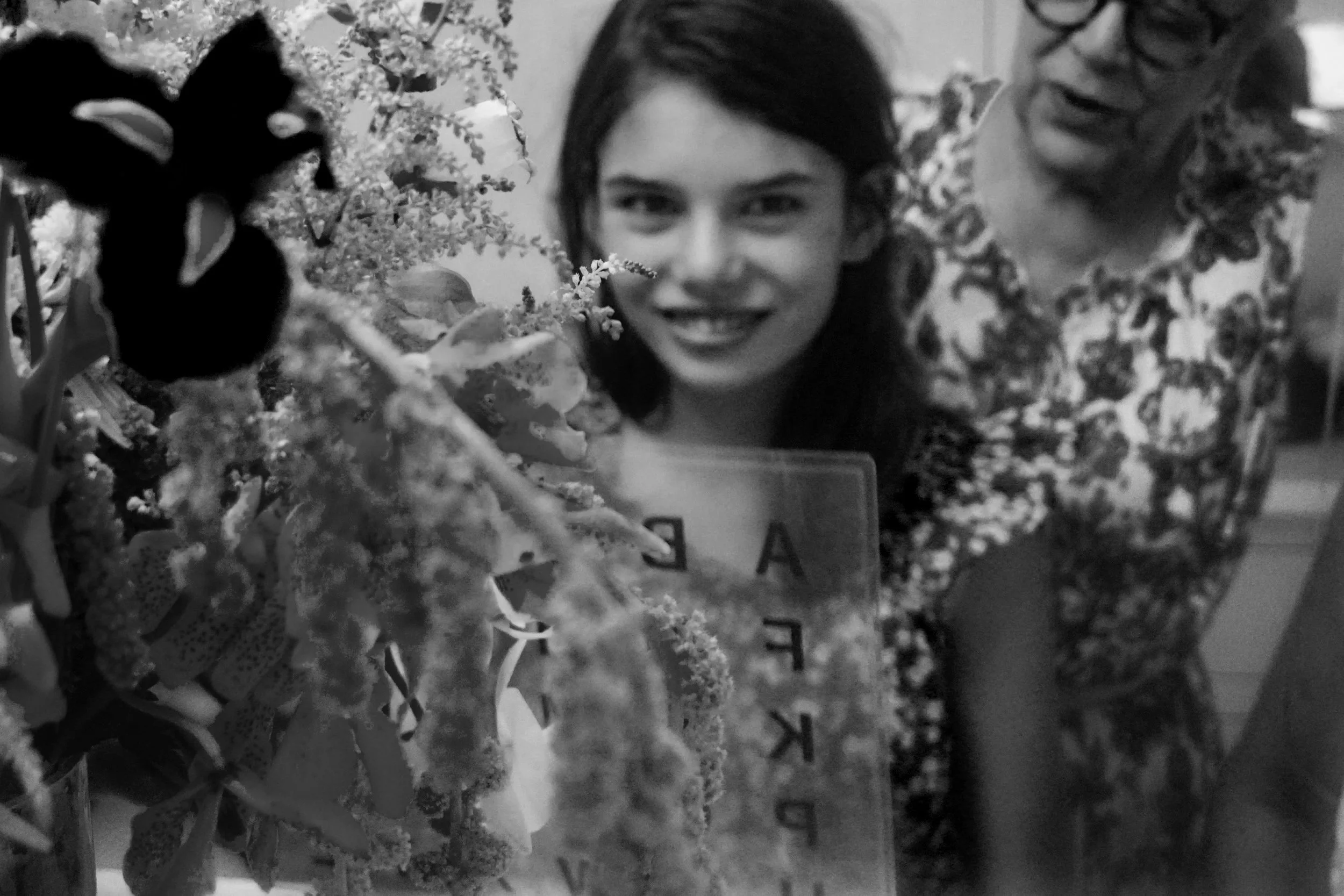
We are Natalia, Paloma, and Nina, sisters in life and in work, and we named our herbal practice The Three Sisters. We have grown alongside each other. Nina inspired Natalia to pursue herbalism, and Natalia championed Nina's advocacy and unique way of expressing herself.
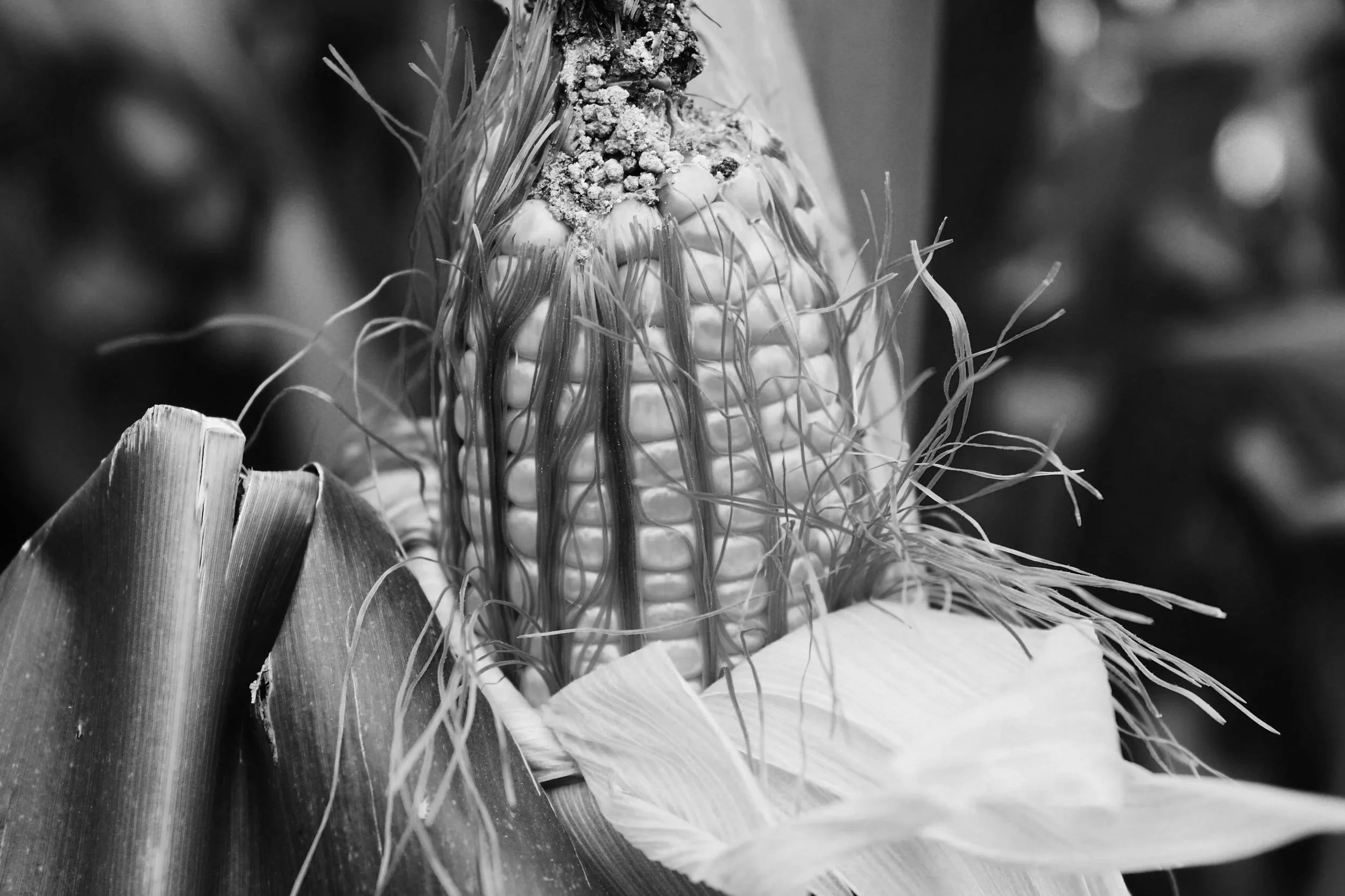
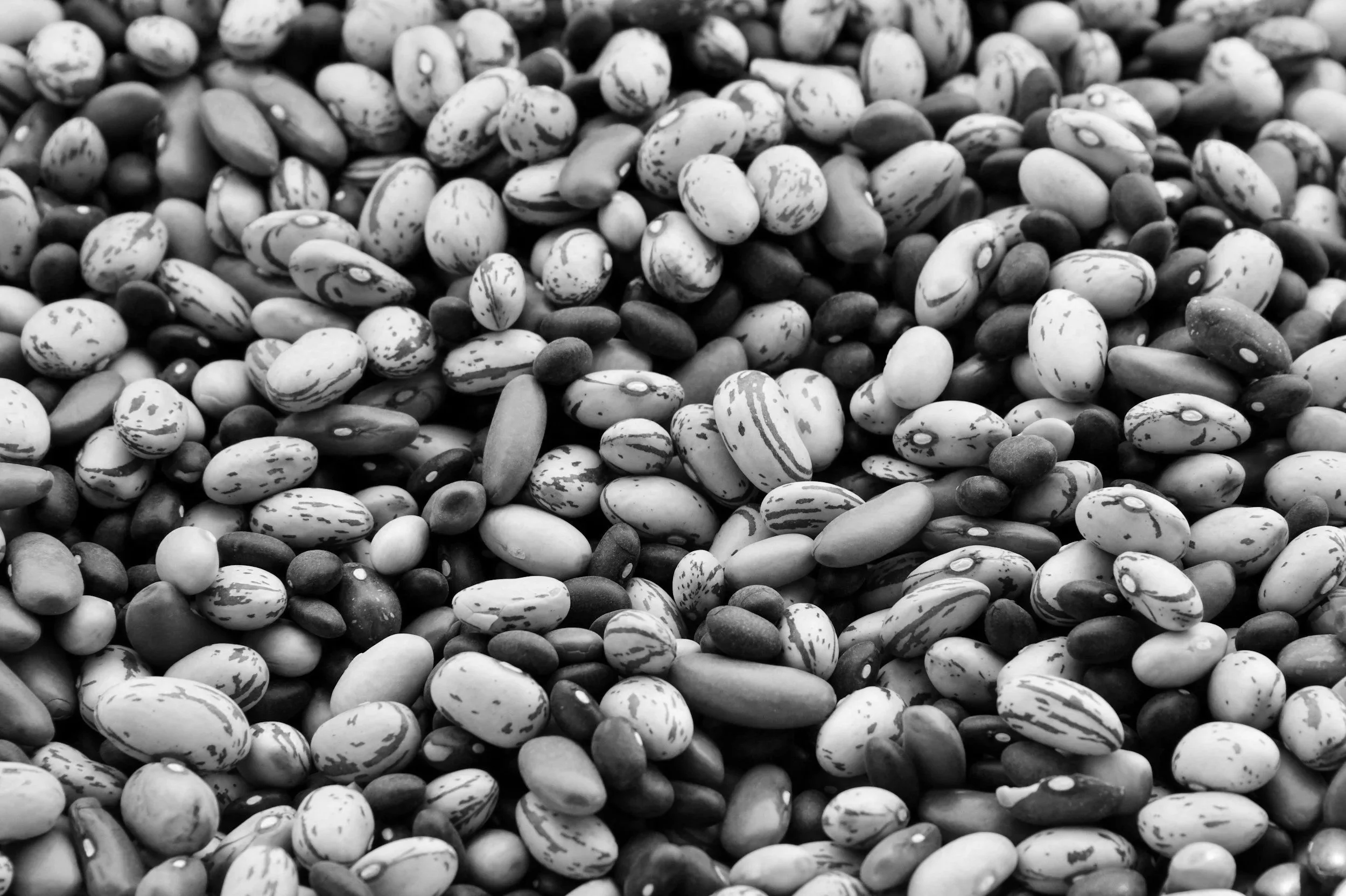
The Three Sisters refers to an ancient companion planting system of corn, beans, and squash that has been practiced by Indigenous peoples across the Americas for thousands of years. When grown together, these three plants support one another: the cornstalk serves as a trellis for climbing beans, the beans fix nitrogen in their root nodules, and the wide leaves of the squash plant shade the ground, keeping the soil moist and helping prevent weeds and pests. It's a beautiful example of how different beings can thrive together, each offering something unique while strengthening the whole.
This agricultural practice has deep roots in Mesoamerica, where squash, maize, and beans were domesticated over thousands of years in a dance between plants and humans. In central Mexico and throughout Mesoamerica, this practice is known as the milpa system, a word that comes from the Nahuatl language meaning "sown field," and it has been practiced by Maya, Nahua, Zapotec, Mixtec, Otomí, and many other Indigenous communities for millennia. The technique emerged and was practiced northward over many generations, eventually becoming widespread throughout North America. The Haudenosaunee, or Iroquois Confederacy, who call the plants Diohe'ko or "the ones who sustain us", are the most widely known source of the name "The Three Sisters," and the three plants appear prominently in their oral traditions, ceremonies, and creation stories. Many other Indigenous nations, including the Cherokee, Oneida, Seneca, Mandan, Hidatsa, and Pueblo peoples, developed their own relationships with these plants, each with unique seeds, stories, and methods shaped by their lands and cultures.
We chose this name because it reflects who we are and how we work. With our own ancestral connections to corn, beans, squash, and plant medicine, these allies feel close to home. The spirit of the Three Sisters, representing mutual support, interdependence, and honoring each other's gifts, mirrors our own relationship and the way we approach our herbal practice. We are different, but we are stronger together.
We don't claim ownership of this name or teaching. We honor the Indigenous peoples who cultivated this knowledge for thousands of years and who continue to protect and practice it today, from the Haudenosaunee in the Northeast to the Maya in the Yucatán, and across all the communities who have carried these seeds and stories forward. For us, using the name The Three Sisters is an act of appreciation and connection, a way to acknowledge this beautiful tradition and carry forward the values it represents: reciprocity, cooperation, and care for one another and the land.
Resources to Support Indigenous Seed Sovereignty & Food Systems
We encourage you to learn more about and support the organizations keeping these traditions alive:
North America
Indigenous Seed Keepers Network - Preserving heirloom seeds and cultural seed practices
nativefoodalliance.org/indigenous-seed-keepers-networkNative American Food Sovereignty Alliance - Supporting Indigenous farmers, gardeners, and food systems
nativefoodalliance.orgHaudenosaunee Environmental Task Force - Traditional Haudenosaunee environmental stewardship
hetf.orgIroquois White Corn Project - Reviving and protecting Haudenosaunee corn varieties (Seneca Nation)
sni.org/culture
Mexico & Central America
Centro de Apoyo al Movimiento Popular Oaxaqueño (CAMPO) - Supporting Zapotec and Mixtec farmers preserving milpa traditions
Semillas de Vida - Protecting native maize biodiversity across Mexico
Southwest U.S. & Northern Mexico
Native Seeds/SEARCH - Preserving seeds of Indigenous communities across the region
nativeseeds.org
South America
Andes Amazon Seed Initiative - Working with Quechua and Aymara communities preserving maize and Andean crop diversity
Further Reading
Braiding Sweetgrass by Robin Wall Kimmerer (Citizen Potawatomi Nation)
Eating the Landscape by Enrique Salmón (Rarámuri)
Iroquois Corn in a Culture-Based Curriculum by Carol Cornelius (Oneida)
The Three Sisters collection at the U.S. National Agricultural Library: nal.usda.gov/collections/stories/three-sisters